
Mid-Scale Commercial Platform
Mercury Reclamation Dredging for Contaminated Waterways
Shell Dredging’s proprietary jet suction system extracts mercury and contaminated sediment from rivers and waterways without chemicals, without human handling of toxins, and with significantly less ecological disruption than conventional dredge-and-remove methods. Proven in the field since 1965.
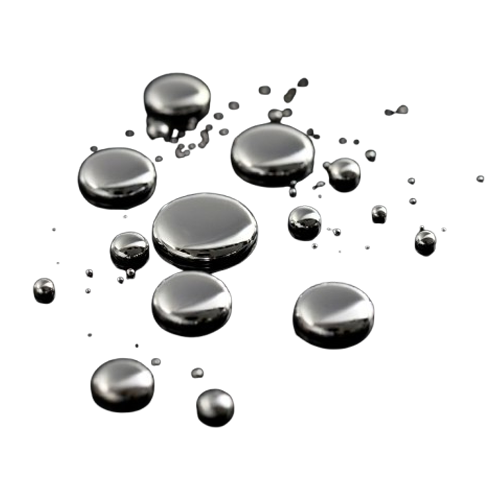
The Mercury Problem Is Getting Worse, Not Better
The 5,000 PSI cutter-head breaks up material at the working face — with the torque to penetrate 1/4 inch into bedrock and access gold-bearing material that surface equipment cannot reach economically.
The Problem
Why Conventional Dredges Can’t Handle Mercury
Many of North America’s waterways have been contaminated with mercury from historic mining operations, some for over a century. Conventional dredge technology was not designed for mercury reclamation. Shell’s was.
The Scale of the Problem
Mercury contamination in historic mining waterways extends for miles and penetrates deep into riverbed sediment. Conventional dredges designed for harbor deepening or navigation maintenance move large volumes of material but they are not configured to separate and concentrate mercury-laden sediment from clean material, or to handle the recovered contaminant safely.
What Old Dredge Technology Does Wrong
Yesterday’s dredges were built to move material not to recover what’s in it. They displace contaminated sediment without concentrating it, often resuspending mercury into the water column in the process. They require secondary processing plants off the dredge itself, creating additional handling steps and exposure points for the very contaminants they’re supposed to remove.
The Bioaccumulation Chain
Mercury in waterway sediment doesn’t stay there. It enters the food chain through aquatic organisms, accumulates in fish tissue, and ultimately reaches the humans who consume those fish. Communities near historic mining waterways continue to face mercury advisories on fish consumption decades after mining operations ended.
Flood Events Reset the Clock
In waterways where natural sediment layering was slowly capping historic mercury deposits, 100-year flood events have upended that process physically disturbing settled sediment and reintroducing mercury into the active water column. What took decades to slowly bury can be resuspended in days.
The Shell Approach
How Shell Dredging Reclaims Mercury
Shell’s jet suction system handles mercury reclamation the same way it handles fine gold recovery — by concentrating the target material on the dredge itself, in a single continuous automated process, with no human contact with the contaminant at any stage.
Excavation at the Contaminated Riverbed
The Shell cutter-head is positioned at the mercury-bearing sediment layer. Because mercury and mercury-laden sediment are heavier than surrounding gangue material, the Shell system’s recovery principle — which separates by specific gravity is inherently suited to concentrating them. The 5,000 PSI cutter-head can access material at the bedrock layer where mercury accumulates after settling.
Automated Jet Suction Transport
Contaminated material is drawn through the suction pipe and into the dredge’s processing system using Shell’s jet principle. No human handling of mercury at this stage — the entire transport process is enclosed and automated from the point of excavation to the concentrator input.
Classification and Concentration
Material passes over the grizzly and into the concentrator/classifier system. Because mercury is substantially heavier than the surrounding sand and sediment, the Shell concentrator separates and retains it at high efficiency — the same gravity-based separation principle that recovers fine gold also recovers dense mercury particles.
Clean Tailings Return — Mercury Retained
Processed tailings now stripped of mercury are returned to the waterway. The concentrated mercury is retained on the dredge in the concentrate output, contained and ready for safe handling and disposal. The waterway receives clean material. The dredge retains the contaminant. No secondary processing plant required.
Why Shell
The Shell Reclamation Advantage
Shell Dredging founder R.E. Shell described his equipment as “the most environmentally sensitive and friendly dredges made today.” That’s not a marketing claim, it’s a design specification.
Zero Chemicals
Shell’s reclamation process uses no chemical additives, binding agents, or treatment compounds at any stage. Mercury is separated by gravity and suction — the same physical principles that have worked since the first Shell dredge was built.
No Human Mercury Handling
The entire process from riverbed to concentrate output is automated. Operators manage the dredge from a central control room. There is no manual handling of mercury-contaminated material at any point in the reclamation process.
Complies with Environmental Standards
Shell dredges are designed to meet applicable environmental standards for the jurisdictions where they operate. The system can be configured as fully diesel-powered or fully electric the electric configuration is available for sites with access to external power, eliminating on-site emissions entirely.
All Processing On-Board
Unlike conventional dredge setups that pump material to a secondary shore-based processing plant, the Shell system processes everything on the dredge. This eliminates the pipeline, the secondary plant, the additional handling stages, and the additional contamination exposure points.
Low Operating Cost
Because Shell’s operating costs are substantially lower than conventional dredge configurations, fewer moving parts, no sand pump, integrated recovery mercury reclamation on a low-bid remediation contract becomes economically viable in waterways where conventional dredge economics don’t pencil out.
Ecosystem-Preserving Design
Processed tailings — with mercury removed and retained in the concentrate are returned to the waterway. This approach maintains natural sediment levels and avoids the large-scale physical disruption that conventional dredge-and-remove operations cause to the riverbed and surrounding habitat.
Track Record
Proven in the Field Since 1965
Shell Dredging’s first mercury reclamation project was Green Horn Creek in Grass Valley, California in 1965. The creek had been severely contaminated by mercury from historic placer mining operations, and Shell’s dredge was deployed to remove it.
It worked. The Green Horn Creek reclamation remains one of the earliest successful mercury remediation projects conducted using a dredge-based system.
In 2017, Shell Dredging founder R.E. Shell and company principal Mike Fruciano participated in a two-day EPA and Nevada environmental forum exploring remediation of the Lower Carson River Mercury Superfund Site, one of the most significant mercury contamination sites in the western United States. Shell presented his chemical-free, dredge-based approach as a viable and cost-effective alternative to conventional remediation methods.
Shell Dredging’s position at that forum was straightforward: the technology to clean these waterways already exists. It has existed since 1965. The barrier has never been capability, it has been awareness and will.
Dredge Specifications
First Reclamation Project
Green Horn Creek, CA — 1965
EPA Forum Participation
Lower Carson River Superfund Site, 2017
Regulatory Partners
U.S. EPA, Nevada NDEP
Process
Fully automated, no human mercury handling
Chemicals Used
None
Power Options
Diesel or fully electric
Tailings Return
Clean — mercury removed before return
Environmental Compliance
Designed to meet applicable jurisdiction standards
Common Questions
Frequently Asked Questions
Talk to Shell Dredging About Your Mercury Reclamation Project
Whether you represent a government agency, a remediation contractor, a waterway authority, or a community affected by historic mining contamination Shell Dredging can discuss how its proprietary dredge technology applies to your specific situation.